
low emissivity glazing
Understanding the Price Dynamics of 24% Butterfly Valves Butterfly valves are critical components in various industrial applications, serving as flow control devices that regulate the flow of liquids and gases. With growing demand across sectors such as water treatment, oil and gas, chemicals, and HVAC, the market for butterfly valves, particularly 24% butterfly valves, has experienced notable price variations. In this article, we will explore the factors influencing the price of 24% butterfly valves, their specifications, and considerations for procurement. What is a Butterfly Valve? A butterfly valve is a type of quarter-turn valve that uses a rotating disc to regulate flow. The disc is mounted on a shaft and can be turned to open or close the flow path. When operated, the disc rotates to either allow or prevent flow through the valve body. This design is particularly efficient for applications that require quick and simple operation. Types and Specifications of 24% Butterfly Valves 24% butterfly valves typically refer to valves designed for specific applications requiring a 24% opening capacity. These valves come in a variety of materials, including cast iron, stainless steel, and plastic, allowing for diverse industrial use. The specifications will influence the price, with factors such as size, pressure rating, and material composition playing crucial roles. Factors Influencing the Price of Butterfly Valves 1. Material Composition The price of butterfly valves is largely determined by the material from which they are made. Stainless steel valves are generally more expensive than those made from ductile iron or plastic, due to their resistance to corrosion and longevity in harsh environments. 2. Size and Diameter Larger valves require more material and may necessitate more complex manufacturing processes, leading to higher costs. For example, a 24-inch butterfly valve will typically have a higher price point than a 6-inch valve due to material and engineering requirements. 3. Pressure Rating The operational pressure specifications of a valve affect its design and material strength. Higher pressure-rated valves must meet stricter manufacturing standards, subsequently increasing their cost. 4. Manufacturing Processes The complexity of the manufacturing process can also contribute to pricing variations. Valves that require precision machining or specialized fabrication techniques may cost more than those produced through standard methods. 5. Market Conditions and Demand The global price of raw materials, such as metals and plastics, can fluctuate due to market conditions. Additionally, changes in demand from various sectors can drive prices up or down. 6. Brand and Quality Established brands that provide high-quality products often command a premium price. Buyers may pay extra for a reputable brand known for its reliability and performance, especially in critical applications. 24 butterfly valve price 7. Regulatory Compliance In certain industries, valves must adhere to specific regulatory standards (such as API in oil and gas). Compliance can necessitate additional testing and certification, which may impact pricing. Cost Estimates for 24% Butterfly Valves The price of 24% butterfly valves can vary significantly based on the aforementioned factors. On average, customers can expect to pay anywhere from $50 to $500 for standard sizes and materials. However, heavily duty or specialty valves could exceed these estimates, especially when considering custom specifications. Considerations for Procurement When looking to procure 24% butterfly valves, it is essential to assess your needs thoroughly. Here are some considerations 1. Application Requirements Understand the specific requirements of your application, including flow rates, pressure levels, and temperature ranges. 2. Vendor Reputation Research potential suppliers, focusing on reviews, past performance, and industry reputation. 3. Total Cost of Ownership Consider the long-term costs associated with the valve, including potential maintenance, the frequency of replacements, and operational efficiency. 4. Warranty and Support Evaluate the warranties and customer support offered by the manufacturer, as these can provide additional value and assurance. 5. Bulk Purchasing and Discounts If your project requires multiple valves, explore volume purchasing options that may yield discounts. Conclusion The price of 24% butterfly valves is influenced by a myriad of factors ranging from material composition to market dynamics. Understanding these influences can help businesses make informed purchasing decisions that align with their budgetary constraints and operational requirements. As industries continue to evolve, staying informed about pricing trends in butterfly valves will remain essential for effective procurement strategies.
about
low emissivity glazing
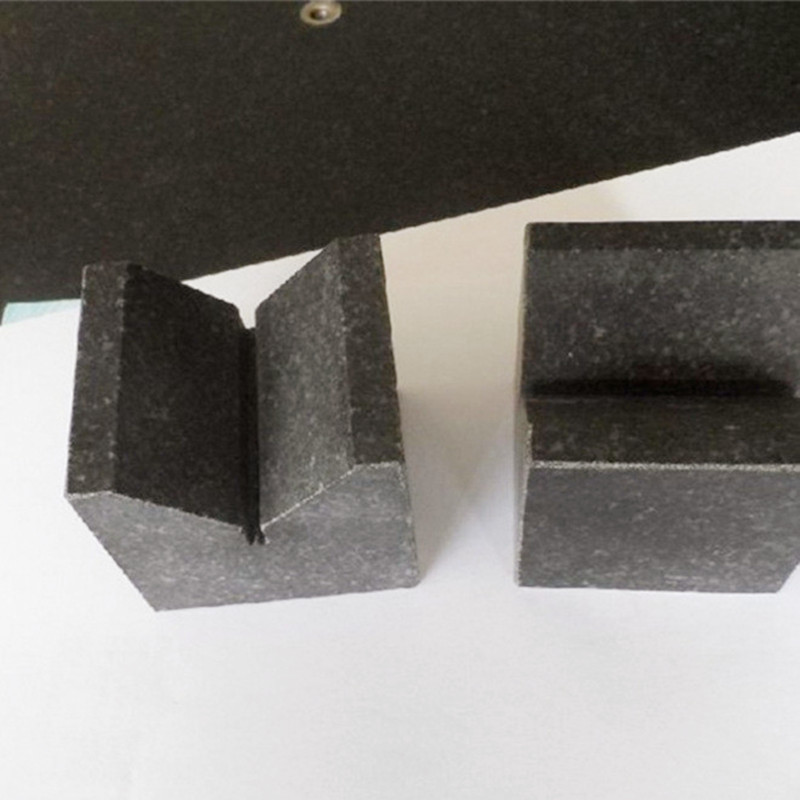
Chủ đề Granite vs. Blocks là một trong những vấn đề thú vị trong ngành xây dựng và vật liệu. Granite, một loại đá tự nhiên, nổi tiếng với độ bền và tính thẩm mỹ cao. Trong khi đó, các khối xây dựng như gạch, bê tông hay các vật liệu nhân tạo khác thường được dùng trong nhiều dự án xây dựng khác nhau. Mỗi loại vật liệu đều có ưu và nhược điểm riêng, làm cho việc lựa chọn tùy thuộc vào nhu cầu cụ thể của dự án. . Ngược lại, các khối xây dựng như gạch âm tháp hay bê tông có ưu điểm lớn về giá thành và tính linh hoạt trong xây dựng. Chúng dễ dàng thi công và có thể tạo ra nhiều kiểu dáng thiết kế khác nhau. Gạch và bê tông cũng bền chắc, nhưng không có vẻ đẹp tự nhiên như granite. Tuy nhiên, gạch có nhiều loại như gạch đất nung, gạch block, hoặc gạch 3D với các tính năng thẩm mỹ và cách nhiệt tốt. Điều này khiến cho gạch vẫn là sự lựa chọn phổ biến cho nhiều loại công trình xây dựng. granite v blocks Sự lựa chọn giữa granite và các khối xây dựng phụ thuộc rất nhiều vào mục đích sử dụng và ngân sách của dự án. Nếu bạn đang xây dựng một ngôi nhà sang trọng hoặc một công trình biểu tượng cần tính thẩm mỹ cao, granite có thể là lựa chọn hoàn hảo. Trong khi đó, nếu bạn đang thực hiện một dự án cần tiết kiệm chi phí mà vẫn đảm bảo độ bền, các khối xây dựng sẽ là phương án hợp lý hơn. Tóm lại, cả granite và các khối xây dựng đều có vị trí riêng trong lĩnh vực xây dựng. Việc lựa chọn vật liệu nào sẽ phụ thuộc vào nhiều yếu tố, từ ngân sách, mục đích sử dụng cho đến phong cách thiết kế.
-

High quality industrial productsagement

High quality industrial products
View Details -

Meet the diverse needs of customers

Meet the diverse needs of customers
View Details -

Strict quality control

Strict quality control
View Details -

Top raw materials

Top raw materials
View Details -

Trusted supplier

Trusted supplier
View Details
Our application


news and information
water main shut off valves
Water main shut off valves play a critical role in maintaining the health and efficiency of any resi
y strainer cast iron
The Benefits and Applications of Y-Strainer in Cast Iron In various industrial applications, one of
Versatile 4x8 Foot Welding Table for Efficient Metalworking and Fabrication
4x8 welding table .
 English